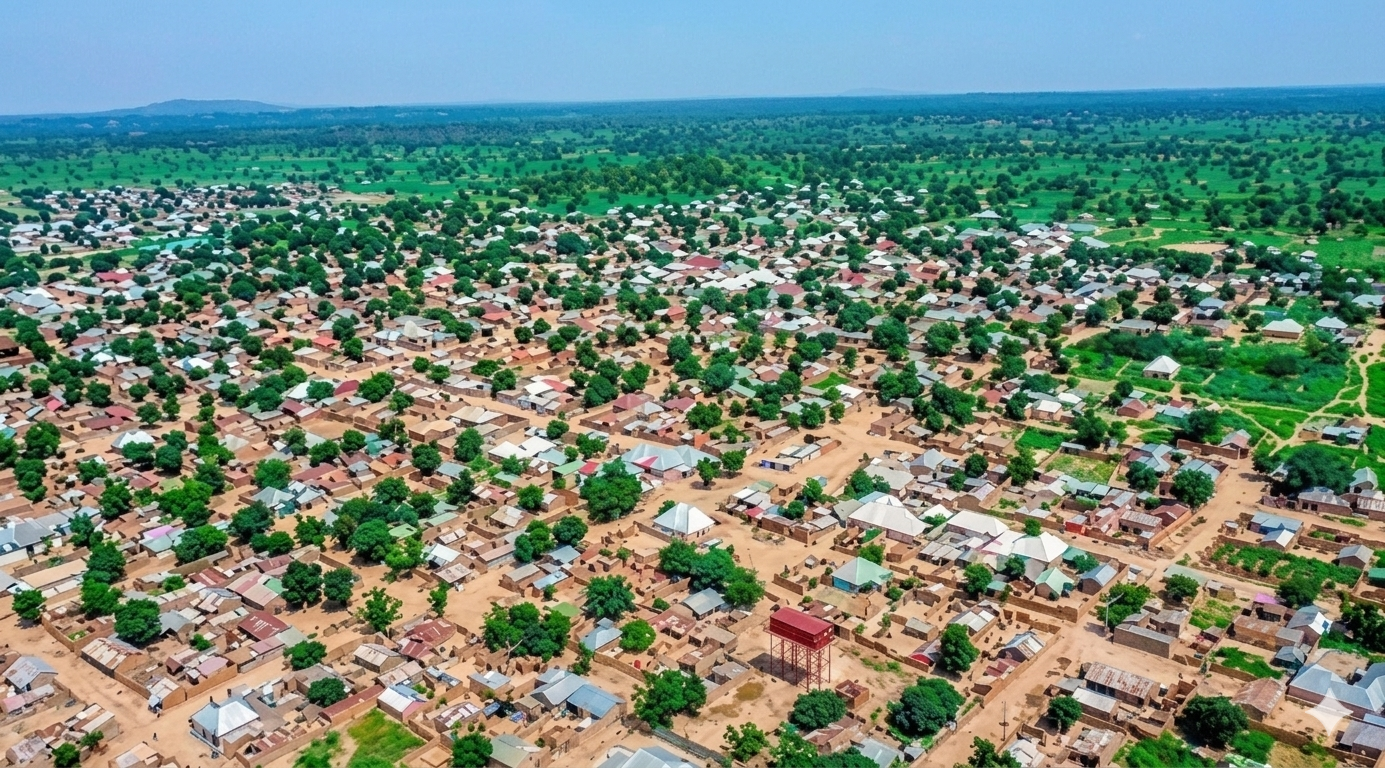
Birnin Gwari – Land of Heritage and Agriculture
Birnin Gwari is a cultural heartland and key agricultural hub in western Kaduna. Our farmlands, forests, and resilient communities drive our economy and heritage.
About Birnin Gwari
General Information
Birnin Gwari Local Government Area is located in the western part of Kaduna State, with its headquarters in the town of Birnin Gwari. Spanning an area of approximately 6,185 km², the LGA is currently led by Hon. Salisu Isah Karama (Chairman).
The area has a rich Hausa-Fulani heritage and includes other communities like Gbagyi. This cultural diversity is our strength, seen in our traditional emirate and local markets. Agriculture, livestock, and trade drive our economy as Birnin Gwari supplies food and goods throughout the region.
Read MoreMessage from the Chairman
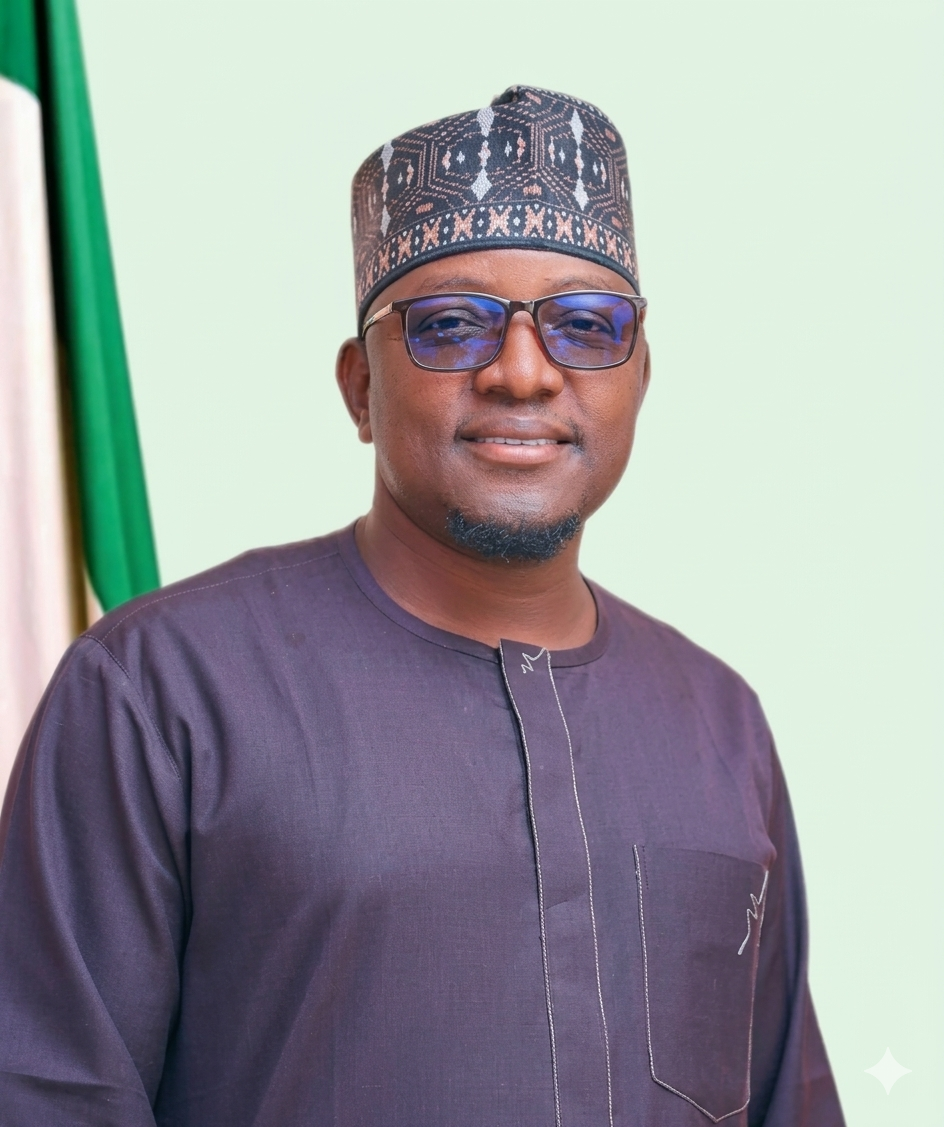
Hon. Salisu Isah Karama – Chairman
Welcome to the official portal of Birnin Gwari Local Government Area. Our LGA is blessed with fertile land and hardworking people. This platform bridges our administration with the public, highlighting progress in farming, education, and infrastructure across our communities.
Our administration is focused on agricultural development, security, and good governance. We aim to build roads and schools, provide inputs and training to farmers, and ensure a peaceful environment for all residents. We invite investors and partners to join us in transforming Birnin Gwari into an even more prosperous region.
Agriculture – Farming is our Pride
Maize
Staple Grains
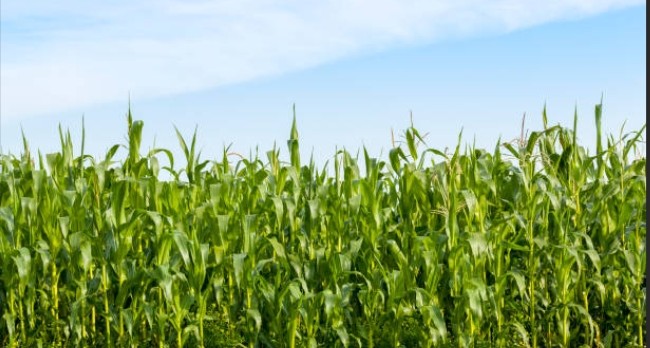
Birnin Gwari's farmers cultivate vast fields of sorghum and maize, essential staple crops. Improved seeds and farming practices have boosted yields, making us a key grain supplier in northern Nigeria.
Livestock
Animal Wealth
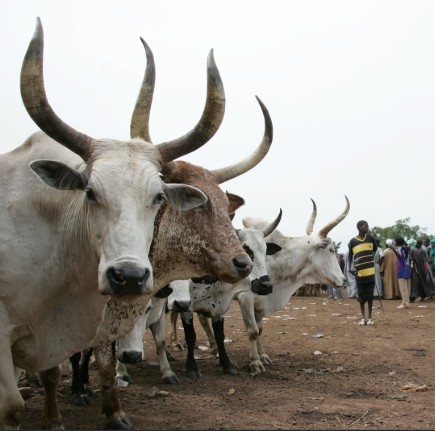
Cattle, goats, and sheep are widely reared across Birnin Gwari. Our livestock sector supports household incomes and provides meat and dairy products to local and regional markets.
Gold & Minerals
Hidden Wealth
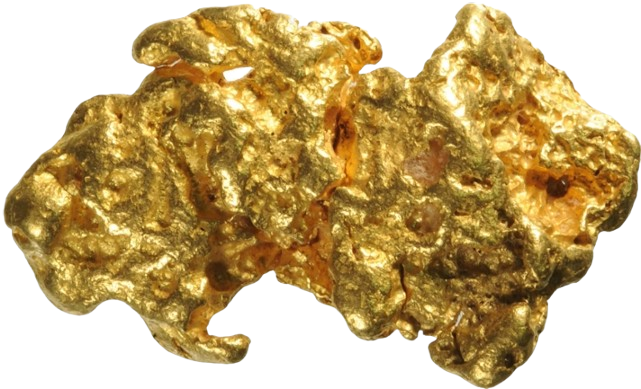
Gold. Beyond farming, Birnin Gwari is rich in minerals like gold and quartz. Artisanal mining and quarrying provide supplementary income for some communities.